Blog

  • Exclusive Toys for Collectors: The Complete Guide

    Exclusive Toys for Collectors: The Complete Guide

    Last updated: October 29, 2026

    Quick answer: for Exclusive toys for collectors — The Complete Guide, the safest buying rule is to favor items with documented scarcity, a clear provenance, and a release story that still makes sense after 1 month, 1 year, and beyond.

    In short, the right exclusive toy for a collector is the one with documented scarcity, a clear provenance, and a resale or display case that still makes sense after the novelty wears off. In Exclusive toys for collectors — The Complete Guide, that means the details matter more than the hype.

    Key Takeaways

    • Limited runs tend to hold value better when the edition size is stated clearly and tied to a respected brand.
    • Designer vinyl suits display collectors; mass-market exclusives suit buyers who want liquidity and easier replacement parts.
    • Edition clarity, franchise strength, and box condition often matter more than the sticker price.
    • The best choice is the toy with the strongest proof, demand, and exit options for your goal.

    I write about collectibles, authentication, and toy-market behavior, so I care less about hype and more about what stays desirable when the release-day rush is over. That is the lens used throughout Exclusive toys for collectors — The Complete Guide.

    If you are chasing exclusive toys for collectors, the real question is not “What is rare?” It is “Which exclusives are worth the premium, and which ones are only scarce because the seller says so?” The answer depends on the figure’s run size, the brand’s track record, the condition of the box, and whether the item was made as a true collector release or simply labeled “exclusive” for marketing. A toy can be limited and still be a bad buy. A toy can be mass-produced and still be a safer long-term hold than a flashier “special edition.” For example, a documented 500-run release is easier to judge than a vague “exclusive” listing.

    What makes an exclusive toy worth collecting?
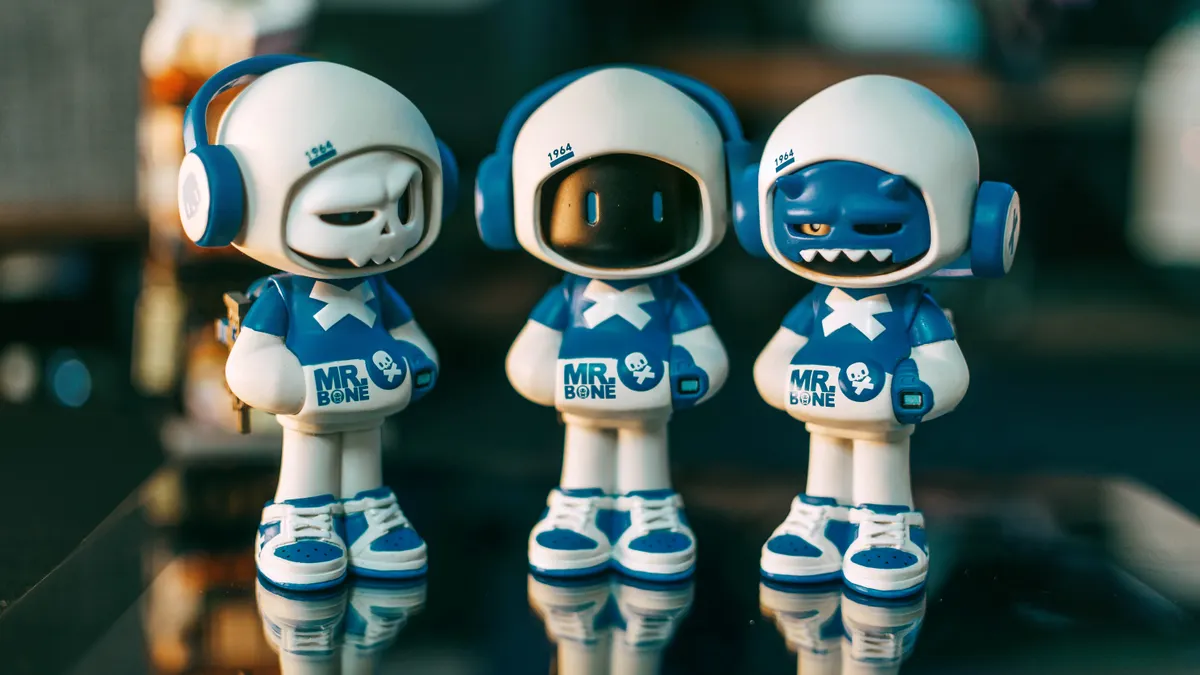
    three designer toy figures in blue helmets

    An exclusive toy is worth collecting when the scarcity is real, the character or design has lasting demand, and the release details are transparent enough that the market can verify them later.

    That sounds obvious, but a lot of generic advice gets this wrong. “Exclusive” is not a quality grade. It is a distribution label. A convention-only figure, a retailer-exclusive variant, a numbered resin statue, and a blind-box chase all count as exclusives, yet they behave very differently in the market. A toy with an edition size printed on the box, a certificate of authenticity, and a named sculptor usually has more credible collector value than a toy whose only claim is a marketing sticker. According to the U.S. Consumer Product Safety Commission, product labeling and traceability are basic consumer protections, and they help buyers verify what they are getting.

    The most useful filters are simple:

    • Documented scarcity: numbered runs, event-only drops, retailer caps, or a known production window.
    • Character demand: a popular franchise, recognizable sculpt, or first appearance of a variant.
    • Condition sensitivity: sealed packaging, intact corners, and original inserts matter more in some lines than others.
    • Authenticity trail: official manufacturer listings, event announcements, and retailer pages that confirm the release.
    • Community depth: if collectors still talk about the line two years later, the item has a better chance of holding attention.

    A common mistake is buying an exclusive because it is hard to find today. That is not the same as being collectible. Some releases are scarce because they sold poorly, were poorly distributed, or were tied to a fad that faded fast. Those can be hard to replace and still weak on demand.

    A better rule: if a toy lacks clear provenance, it belongs in the “interesting” pile, not the “must-buy” pile. If a listing cannot tell you the maker, the edition type, and the release context, treat the premium as speculation and, if needed, consult a professional or an established authentication source.

    Which kinds of exclusives actually hold collector value?

    Limited-edition run toys usually hold value better than gimmick exclusives, especially when the edition size is stated up front and tied to a respected brand.

    The strongest categories tend to share one trait: the exclusivity means something outside the listing itself. A convention exclusive from a major license, a designer vinyl piece with a low run, or a retailer variant that changes the figure in a visible way all have stronger collector logic than a random color swap. The market can understand those pieces quickly, which helps them trade more cleanly later.

    Here is the practical breakdown:

    Convention exclusives

    These are often the most desirable because the event adds a real-world story. A figure released at San Diego Comic-Con, New York Comic Con, or a brand-owned fan event carries context buyers understand. The downside is that event exclusives can be overhyped on day one and then soften once the convention chatter dies down.

    Retailer exclusives

    These work best when the retailer version is meaningfully different: a sculpt variant, accessory change, metallic finish, or box art that collectors can identify at a glance. The weakness is obvious: if the only difference is a tiny paint shift, the premium can fade once buyers compare it with the standard version.

    Numbered limited editions

    These are strong when the number is clearly printed or documented by the maker. A numbered run gives buyers something concrete to compare. The risk is that some brands inflate “limited” language without explaining the total production size.

    Chase variants

    These can be exciting, but they are the easiest to overpay for. Chase figures depend on a mix of luck, demand, and fan psychology. They can sell well, but they can also be fickle once the hunt is over.

    Artist proofs and prototype-style releases

    These attract serious collectors because they sit close to the creative process. The trade-off is that they often lack the clean retail paperwork casual collectors want, so liquidity can be narrower.

    If I had to choose one category for the broadest collector appeal, I would pick a numbered or well-documented convention exclusive from a brand with a strong aftermarket history. That combination gives you scarcity, story, and clarity. It is not perfect, though. Convention exclusives can also be the most vulnerable to short-term hype, so they are wrong for buyers who want quiet, long-hold appreciation without paying a release-week premium. A source page from the maker or event organizer is the cleanest starting point.

    Designer vinyl vs mass-market exclusives: the real difference

    small collectible figurines on display

    Designer vinyl wins for display collectors, while mass-market exclusives win for buyers who want better liquidity and easier replacement parts.

    This is where a lot of collectors waste money by mixing up aesthetics with market behavior. Designer vinyl pieces from brands like Medicom, Superplastic, Mighty Jaxx, or similar art-toy labels often have stronger shelf presence, richer packaging, and tighter edition control. They are built to be displayed. The sculpt, finish, and packaging all support the idea that the toy is an object, not only a plaything.

    Mass-market exclusives from lines like Funko, Hasbro, Mattel, or LEGO usually trade on brand recognition and character demand. They are easier to understand, easier to find listing comparisons for, and often easier to resell because the buyer pool is larger. A collector can move a popular mass-market exclusive faster than a niche art-toy piece if the item has a clear fan base.

    The trade-offs are real:

    • Designer vinyl
    • Strengths: stronger presentation, more distinctive silhouettes, often lower run sizes.
    • Weaknesses: narrower audience, more sensitivity to packaging wear, less predictable secondary-market demand.
    • Best for: collectors who buy for display first and are comfortable with a smaller buyer pool.

    • Mass-market exclusives

    • Strengths: broader recognition, easier comps, more buyers who know the character immediately.
    • Weaknesses: more supply pressure, more risk of “exclusive” language without real scarcity.
    • Best for: collectors who care about resale flexibility and want recognizable licenses.

    If the question is which one is “better,” the answer depends on your collecting style. Designer vinyl wins for a curated display shelf. Mass-market exclusives win for anyone who wants a release that other collectors can identify without explanation. For a broader view, this is where the topic of Exclusive toys for collectors — The Complete Guide becomes practical, not theoretical.

    The mistake is treating every toy with a premium finish as if it were a serious investment. A gold paint variant of a figure that nobody asked for can look expensive and still be ordinary in the market. Meanwhile, a plain-looking limited-run figure from a respected sculptor can be quietly valuable because the collector base understands the edition and the artist. If you are unsure, consult a professional or compare the release details against trusted retailer archives.

    How to judge a toy’s long-term value before you buy

    The best predictor of long-term value is often the combination of edition clarity, franchise endurance, and box condition sensitivity.

    A good buyer checks five things before paying an exclusive premium.

    1) Is the edition actually limited?

    Look for an edition number, a stated production cap, or a release tied to a known event. If the product page just says “exclusive,” that is not enough on its own.

    2) Does the franchise still matter?

    A toy tied to a franchise with annual releases, active fandom, and frequent reissues is easier to move later. A dead license can still have collector value, but demand is narrower.

    3) Is the item visually distinct?

    A collector premium is easier to defend when the difference is obvious: a different sculpt, a unique paint application, an alternate accessory, or a special package.

    4) How fragile is the packaging?

    Some lines lose value fast if the box corners crush or the blister yellows. Others are more tolerant, especially loose figure lines. A sealed premium makes sense only if the packaging itself is part of the collectible.

    5) Is the market already crowded?

    If there are dozens of near-identical variants, the item may be “exclusive” in name only. Too many similar releases dilute the story.

    A hard truth: not every limited release becomes a good secondary-market piece. Some exclusives are best bought because you love the character, not because you expect a return. That is a perfectly valid reason, but it should be named honestly. A collector who wants certainty should favor toys with a long track record of sustained demand rather than new lines with one flashy drop. In practice, that can mean waiting 6 months and comparing 2 or 3 sales before buying.

    For a more formal collector approach, the grading and provenance language used by organizations like the Professional Sports Authenticator for collectibles and the broader authentication standards discussed by CGA-style market guidance can help frame your thinking, even if the toy market is not identical to coins or cards. The lesson is consistent: documents matter, and condition matters more than most buyers admit. For general packaging and safety guidance, the U.S. Consumer Product Safety Commission is also a useful reference point.

    The honest side-by-side: what changes the buying decision?

    The winner is the toy with the better mix of proof, demand, and exit options for your specific goal.

    Criteria Designer vinyl exclusives Mass-market exclusives Winner for this condition
    Edition clarity Often numbered or tied to a studio drop Sometimes vague unless the retailer confirms it Designer vinyl, when the run is documented
    Audience size Smaller, more specialized buyer pool Broader fan recognition Mass-market, for easy resale
    Display impact Usually stronger silhouette and packaging presence Often simpler presentation Designer vinyl, for shelf display
    Liquidity Can take longer to sell Usually easier to price and move Mass-market, for quicker exits
    Price sensitivity Premium often driven by art and scarcity Premium often driven by character popularity Depends on the franchise, but mass-market is easier to benchmark
    Packaging importance Very high for many art-toy collectors Moderate to high, depending on line Designer vinyl, if mint-box condition matters
    Variant recognition Usually obvious from the design Sometimes subtle enough to confuse buyers Designer vinyl
    Risk of hype-only demand Present, but often tied to artist reputation Higher on flash releases and retailer drops Designer vinyl, when the artist has a stable following
    Who should avoid it Buyers who want broad liquidity Buyers who want a truly distinctive object Neither is right for every collector

    The table makes one thing plain: designer vinyl is the stronger choice for display-minded collectors, while mass-market exclusives are better for buyers who want a larger resale audience. That does not make one universally superior. It means the collection goal should decide the format.

    A generic article would stop there. It would call the prettier piece “better” and move on. That is too simple. The real question is whether the item will still be understandable to the next buyer. The more a collector can explain the release in one sentence — “convention-only, 500-run, alternate sculpt” — the more defensible the purchase becomes.

    What collectors get wrong about packaging, grading, and condition

    A toy with a damaged box can still be desirable, but the penalty depends on the line, the market, and whether the packaging is part of the art.

    This is where many first-time buyers lose money without realizing it. They think “sealed” automatically means “best,” yet some lines are collected loose, some are opened by serious fans, and some are valued mainly for the figure itself. In other words, condition is not one-size-fits-all.

    Three truths matter here:

    • Mint-box premium is real for many exclusives, especially art toys and convention releases.
    • Loose value still exists for mass-market toys when the character and accessories are complete.
    • Grading helps only when the market respects the grade. A graded item with weak demand is still weak demand in plastic.

    If the item is going into long-term storage, the box should matter to you more than the toy community’s general taste suggests. Corners crush, clear plastic yellows, and tape shifts over time. UV exposure and humidity are ordinary threats, not rare ones. A collector who ignores those risks is collecting with future depreciation built in.

    This is also why a current source page matters. Manufacturer pages, retailer archives, and event announcements are the best starting point for release confirmation, but they are not a substitute for checking the specific listing. For general consumer product safety and packaging guidance, the U.S. Consumer Product Safety Commission remains a useful reference point, especially when a collectible also functions as a toy. The page is not about aftermarket value, but it helps separate licensed toys from questionable imports or misrepresented listings.

    Who should skip heavy packaging obsession? Buyers who plan to display loose figures, open them carefully, or collect play-oriented lines where completeness matters more than cardboard. Who should embrace it? Anyone buying limited art toys, sealed event exclusives, or numbered releases with a strong mint-box market.

    Exception scenarios: when the verdict flips

    The usual advice flips when a toy has extraordinary character demand, a tiny documented run, or a resale market driven by completionists rather than casual fans.

    There are four cases where I would reverse the usual recommendation.

    1) The mass-market exclusive is tied to a landmark character moment

    If a figure captures a first appearance, a signature costume, or a major media crossover, the broader fan recognition can overpower the toy’s ordinary format. In that case, the mass-market piece can beat a more refined designer vinyl release because more buyers want the character than the object.

    2) The designer vinyl piece is by a highly respected artist with a track record

    When the sculptor or studio has a long record of strong demand, the smaller audience becomes less of a weakness. That kind of name recognition can support prices even after the first wave of hype fades.

    3) The exclusive was distributed so widely that it is not truly scarce

    A product can be labeled “exclusive” and still behave like a common item if it showed up in multiple channels or was repeatedly restocked. In that case, rarity-based premiums are shaky.

    4) The item is meant for completionists, not casual fans

    Some lines have a collector culture that prizes full sets, variant completion, or release chronology. In those markets, even a visually modest piece can outperform because it fills a known gap.

    These exceptions matter because they keep the advice honest. The right buy is not always the prettiest toy, the lowest-run toy, or the most talked-about toy. It is the one whose demand structure you can explain without hand-waving.

    The verdict: which exclusive toy should you buy first?

    Choose designer vinyl exclusives if you want a display-first piece with clearer scarcity signals, stronger packaging identity, and a release story that serious collectors will still recognize in a few years. Choose mass-market exclusives if you want broader buyer recognition, easier resale comparisons, and a collectible that sits inside a major franchise rather than an art-toy niche. Neither is the right choice if you are buying only because a listing says “limited” but gives no edition size, no release context, and no reason the premium should exist.

    That is the cleanest rule I can give you. If the toy is for your shelf and you value presentation, designer vinyl is usually the smarter lane. If the toy is for a bigger resale market or a well-known license, the mass-market exclusive is usually the safer lane.

    The wrong purchase is the one made from urgency alone. A collector who chases every drop ends up with a shelf full of items that are rare in the abstract and ordinary in practice. The stronger habit is to buy fewer exclusives, but buy the ones with traceable provenance, recognizable demand, and a story that does not evaporate when the unboxing photos stop. Keep that standard in mind, and Exclusive toys for collectors — The Complete Guide becomes much easier to use.

    A simple buying checklist before you commit

    An exclusive toy is worth buying when you can answer six questions in under a minute.

    • What is the exact release type: convention, retailer, numbered edition, chase, or artist proof?
    • Is the edition size stated, implied, or absent?
    • Does the brand have a history of sustained collector demand?
    • Is the difference from the standard version obvious enough to matter?
    • Does the packaging add value, or is it just carrying the figure?
    • Can you still explain why this piece matters if the hype disappears?

    If the answer to most of those is unclear, pause. A collector does not need to own every exclusive. A collector needs a reason for each one. That is the difference between a shelf that looks expensive and a collection that actually makes sense.

    Drafted with AI; not yet reviewed by a person.

  • Exclusive Toy Release Calendar

    Exclusive Toy Release Calendar

    Last updated: October 27, 2026

    Key Takeaways

    • A release calendar should separate announcement, preorder, and restock updates.
    • Track the source that sells the toy, not just fan posts.
    • A preorder window matters when a listing opens before shipping; if unsure, check the retailer or consult a professional.
    • Watch the right pages at set intervals instead of refreshing one tab nonstop.

    Exclusive toy releases: how to track drops, preorders, and restocks is a timing problem, not a shopping problem. The goal is to know when a drop is likely, catch the preorder window if there is one, and spot a restock notice before the item disappears again.

    If you follow a few retailer pages, brand newsletters, and social alerts, you can build a release calendar for exclusive toy releases: how to track drops, preorders, and restocks in a way that is useful without being noisy. That calendar is most valuable for limited figures, convention leftovers, retailer exclusives, and numbered runs where a 10-minute delay can mean the difference between an order and a waitlist.

    Build a release calendar for exclusive toy releases that actually catches drops

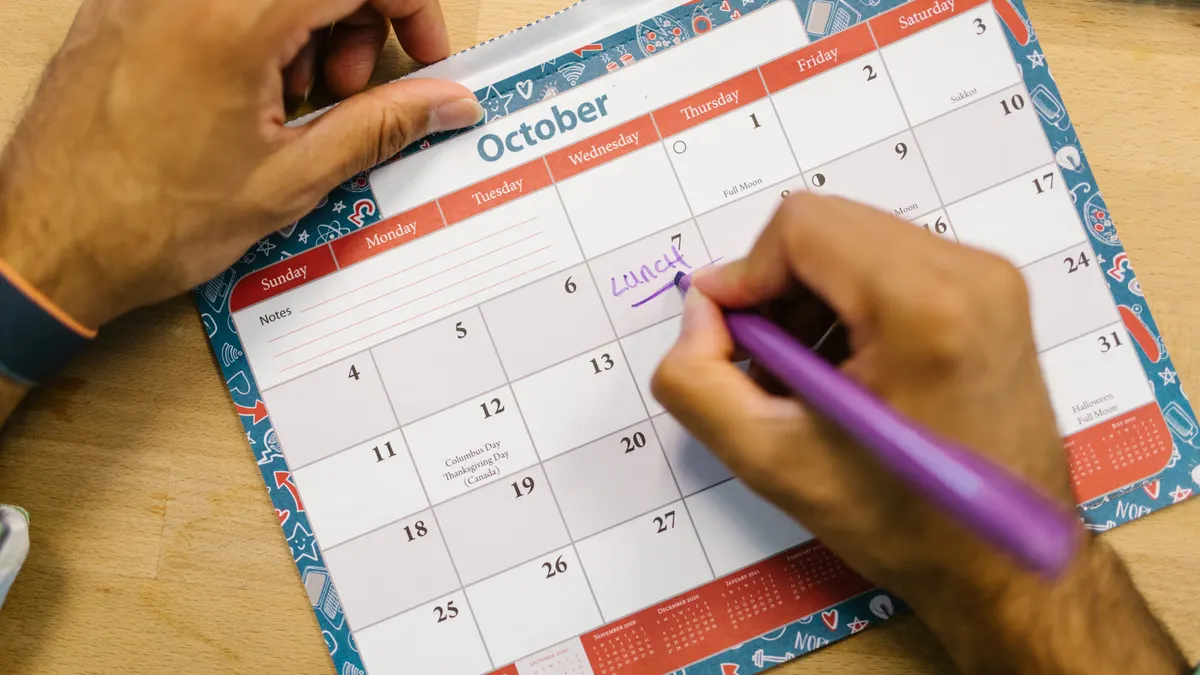
    Hands writing on an October calendar page

    A good release calendar tracks three separate events: the announcement, the preorder window, and the restock notice. Those are not the same thing, and treating them as one is why people miss releases; if you are unsure how a specific seller labels them, check the retailer page or consult a professional.

    Start with a simple calendar in a notes app, spreadsheet, or planner. Add columns for brand, retailer, item name, expected release month, alert source, and status. Use one line per product, not one line per brand. A single brand may have a reveal post in April, a preorder in May, and a restock in July.

    A practical setup:

    1. List the brands and retailers you care about. Put 5 to 10 names in one place so you are not chasing them later. The result is a focused watchlist instead of a random feed.
    2. Record the earliest signal you can find. That might be a teaser image, a newsletter mention, or a schedule post. The point is to know what to watch next.
    3. Add a reminder 24 hours before the likely window. That gives you time to check shipping restrictions, account login, and payment method without rushing.
    4. Create a second reminder at the expected drop time. Many releases go live at a stated time, often on the hour or half hour, and a reminder keeps you from missing the first minutes.
    5. Leave a field for restock follow-up. If the preorder sells out, the item may return later through a cancellation wave or a second allocation.

    This system works because it separates certainty from rumor. It also keeps you from checking everything every day. A calendar that you update twice a week is better than a feed you scroll for 20 minutes and forget by noon.

    How do I know when a toy drops?

    You know a toy drops by watching the source that controls the sale, not the fan chatter around it. The most reliable signals are brand newsletters, retailer product pages, and official social accounts that post the release time, usually with a product image, SKU, or link.

    For toy release tracking, I treat a “drop” as the moment a listing becomes purchasable. That can happen in three ways: a product page goes live with an add-to-cart button, a preorder opens before the item ships, or a limited release appears with a posted launch time. If the post only says “coming soon,” it is not enough on its own.

    The quickest way to catch a drop is to combine three channels, and the same mix works well for exclusive toy releases: how to track drops, preorders, and restocks:

    • Newsletter signup: Brands often send launch notices here first, especially for limited runs.
    • Social alerts: Turn on notifications for the official Instagram, X, YouTube Community, or Facebook account if that brand uses one consistently.
    • Retailer page checks: Bookmark the product page and revisit it near the listed launch time.

    A drop alert should be narrow, not broad. I want alerts for the exact brand, line, or retailer I am chasing. If every post on a feed triggers a notification, the useful signal gets buried under color variants, merch, and unrelated content.

    One common mistake is waiting for secondary accounts to post the news. By the time a repost appears, the most limited stock may already be gone. Another is assuming every “drop” is a same-day sale. Some drops are announcement-only, some are preorder openings, and some are inventory returns with no warning. Treat those as separate events in your calendar; if the labeling is unclear, check the official source or consult a professional.

    Which preorder window matters most?

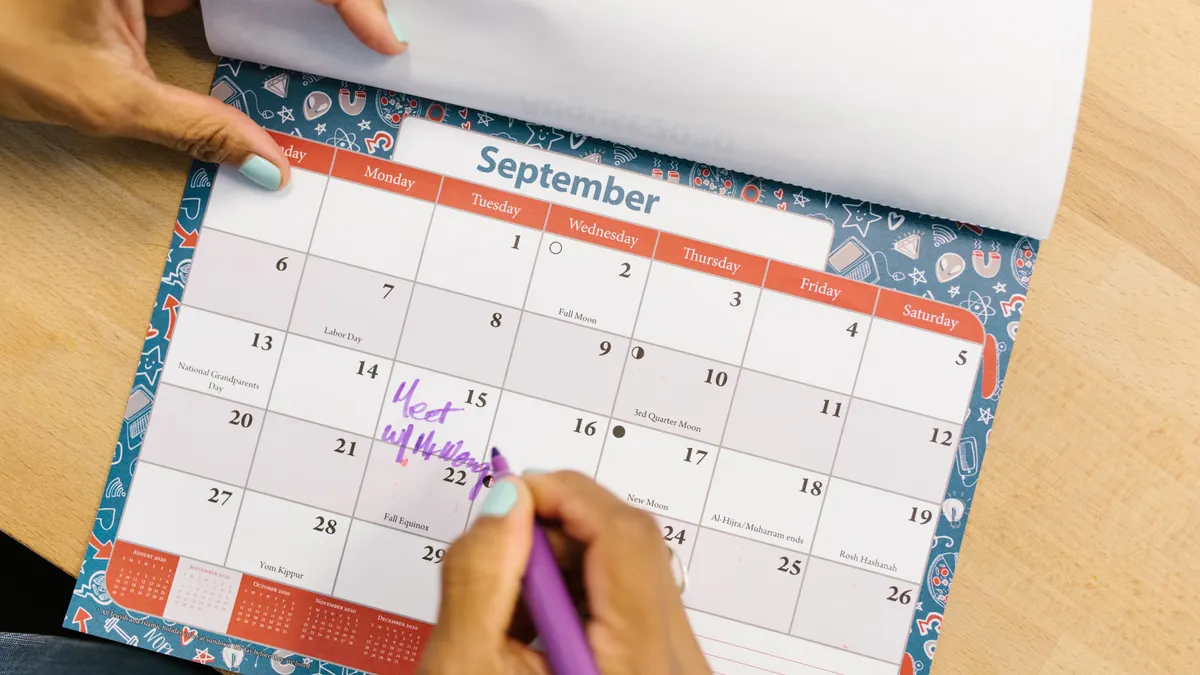
    Hands marking a September calendar page

    The preorder window matters most when the listing opens before the item ships, because that window tells you how long you have to secure an order before stock closes. It can be minutes, hours, or several days, depending on the brand and retailer.

    A preorder window is the span between opening and cutoff. That cutoff may happen because the retailer reaches its allocation, the brand closes reservations, or the sale changes from preorder to sold out. The exact length is not predictable from one release to the next, which is why you should log both the opening time and the close time when you see them.

    Use this checklist during a preorder:

    1. Open the product page on desktop and mobile. Some sites behave differently on each device, and a fallback device can save the order.
    2. Log in before the window opens. A saved account cuts down on checkout friction.
    3. Store your shipping address and payment method in advance. That avoids losing the item while typing.
    4. Watch for region limits and quantity limits. Many listings cap orders at 1 or 2 units.
    5. Save the confirmation email or order number. If the item gets delayed, that record matters later.

    Preorders are useful because they reduce the odds of missing a small run. They are also risky in a different way: the wait can be long, and product details can change before fulfillment. That is the trade-off. If you need the item only when it ships quickly, a preorder may not suit you.

    A release calendar should mark preorder windows with a different color from in-stock drops. That single distinction keeps you from mistaking a reservation for immediate inventory. For exclusive toy releases: how to track drops, preorders, and restocks, that visual split is often the easiest safeguard.

    Restock monitoring without refreshing all day

    Restock monitoring works best when you watch the right pages at the right intervals instead of endlessly refreshing the same tab. Most restocks are small, irregular, and easy to miss if you check only once.

    The pages that matter most are the exact product page, the category page for that line, and the retailer’s social or newsletter feed. A restock notice may appear on any of them first. Some stores update the product page before the announcement; others announce first and restock later the same day. The order is inconsistent, which is why one source alone is not enough.

    A useful restock routine:

    • Check morning, lunch, and evening. Three daily checks is enough for most releases without becoming a full-time job.
    • Look for stock changes near cancellations. A sold-out item may return in small waves when unpaid orders drop off.
    • Track variant pages separately. A figure may restock in one colorway and not another.
    • Keep an eye on the exact SKU or model name. That prevents confusion between the main item and a similar release.

    The biggest mistake here is assuming a restock notice means “safe to wait.” Restocks can be tiny. A page that flips from sold out to available and back again in 5 minutes is common enough to plan for. If you care about a release, act on the first alert.

    This is also where a newsletter helps more than a social feed. Social posts can disappear in a crowded timeline. A newsletter lands in one place and is easy to search later when you want to compare dates or confirm the wording of a notice.

    What I watch first: newsletter, social, or retailer page?

    I watch the retailer page first for immediate availability, the newsletter first for planned announcements, and social alerts first for surprise changes. Each source has a different job, so one should not replace the others.

    For release calendar tracking, the priority order changes by situation:

    • Planned preorder: newsletter first, then retailer page, then social.
    • Flash drop: social alert first, then retailer page, then newsletter.
    • Restock: retailer page first, then social, then newsletter.

    That order matters because the source that announces a release is not always the source that updates fastest. A newsletter can be exact but delayed. Social can be fast but vague. A retailer page can be late to notify but early to sell.

    The best system is to connect all three and use each for what it does best. If a brand is disciplined about email, the newsletter is your anchor. If the brand is active on social at a fixed time, turn on post notifications. If the retailer’s product page updates the minute stock changes, check that page directly and save it in your browser favorites.

    Do not build your whole plan around reposts from collectors or fan accounts. They are useful for backup, not control. They also create a habit of checking other people’s summaries instead of the source itself. That costs time when a limited toy is moving quickly.

    One practical limit: too many notifications become background noise. If you subscribe to 40 brand emails, the important ones will hide. Keep your watchlist tight and update it every month or two.

    Common mistakes that make people miss limited toys

    The biggest mistake is following only one channel, and it costs the release. If you rely only on Instagram, a newsletter-only preorder can pass you by. If you rely only on retailer pages, you may see the listing after the window has already started. The fix is to use at least two channels for every item you care about.

    A second mistake is not distinguishing between teaser, preorder, and restock. That costs time and creates false urgency. A teaser tells you to keep watching. A preorder tells you to prepare checkout. A restock notice tells you to check inventory now. Write those labels into your calendar so you do not treat them as interchangeable.

    A third mistake is making the calendar too broad. Tracking every toy line under one alert system leads to noise, missed signals, and fatigue. A better approach is to choose a small group of brands and retailers and track them well. Ten well-managed items beat 50 vague reminders.

    A fourth mistake is ignoring time zones. A release posted for 9:00 a.m. Pacific is not a 9:00 a.m. local alert everywhere. Put the release time in your own time zone when you save it. That one habit prevents the classic “I checked an hour late” problem.

    A final mistake is deleting old entries too quickly. Old launch dates help you predict patterns. If a brand usually opens preorders on a Thursday afternoon, that pattern is worth keeping. You are not collecting dates for nostalgia; you are collecting them to spot the next one faster.

    A simple system that keeps release tracking manageable

    The simplest system is a 3-part setup: a calendar, a notification stack, and a short weekly review. That structure is enough for most collectors and avoids the mess of jumping between 12 tabs.

    Use this weekly routine:

    • Monday: scan newsletters and add new announcements.
    • Midweek: check product pages for preorder changes.
    • Weekend: review restock notices and clear dead alerts.

    Keep one note per release with four fields: name, source, launch type, and follow-up date. If the item is still live, leave it. If it sold out, mark the next thing you want to watch, such as a restock page or a second allocation.

    If you want a sharper system, tag each item with one of these statuses: watch, preorder open, sold out, or restock watch. Four labels are enough. More than that turns a useful tracker into admin work.

    The main limitation of this approach is that it depends on discipline. If you stop updating the calendar, it stops helping. That is why it should stay small. A release calendar is a tool for timing, not a hobby in itself.

    For a broader explanation of the category itself, see the hub article on what exclusive toys are. This page is the tracking layer: the part that helps you catch the release, not define the item.

    How do I know when a toy drops?

    A toy drops when the source selling it makes the listing available to buy, usually through a product page, preorder page, or official announcement with a launch time. The best clues are the retailer page, the brand newsletter, and the brand’s own social account. Fan reposts can help, but they are not the source of record.

    How do I track restocks?

    Track restocks by checking the exact product page, the category page, and the official newsletter or social feed tied to the release. Restocks often appear in small waves, sometimes after cancellations or inventory returns, so a page that sold out once can change again later the same day or week.

    What is a preorder window?

    A preorder window is the time between when a listing opens and when the reservation closes. It may last minutes, hours, or several days, depending on the retailer and the size of the allocation. The window matters because it tells you how long you have to lock in the item before stock disappears.

    Sources

    • FTC: Online Shopping
    • Google Search Central: Create helpful, reliable, people-first content

    Drafted with AI; not yet reviewed by a person.
  • Exclusive Toy Packaging Terms Explained

    Last updated: October 27, 2026

    Key Takeaways

    • A variant is a named, visible difference from the standard release.
    • A chase figure is a rarer version inserted into a release with the standard figure.
    • A numbered edition is part of a finite run, often marked by a number or foil sticker.
    • A mint box means the packaging is near-pristine, with no major visible wear.

    Collector packaging terms are the label, code, and box language that tell you which version of a toy you are looking at before you buy it. In this guide to exclusive toy packaging terms explained: variants, chase figures, and box marks, the keywords to watch are variant, chase figure, numbered edition, foil sticker, and mint box.

    What the box is telling you at a glance

    Therefore, the short version is this: packaging terms separate one release from another, and the differences can be as small as a foil sticker or as obvious as a different paint app. On a typical collector toy listing, the box may carry a limited-edition number, a variant callout, or a chase note, while the figure itself sits in a mint box or a near-mint one. Those labels are not decoration; they are the seller’s shorthand for scarcity, condition, and version.

    The useful habit is to read the package in the same order every time. Start with the front panel, then the window or seal, then the side panel, then the bottom or back stamp. Many lines of figures use one of those areas for a code, an edition count, or a foil sticker. That makes the box a record, not just a container.

    Here is the practical rule: if the listing text and the box text do not say the same thing, trust the visible packaging first and the listing second. A seller may call something a variant, but if the box has no variant marker and the paint is standard, you are probably looking at a normal release; if you are unsure, consult a professional or the manufacturer’s guide. The cost of getting this wrong is simple: you can overpay for a common item or miss a legitimate limited version.

    A term also matters only inside its own line. “Chase figure” has a specific meaning in some toy lines and almost none in others. “Numbered edition” usually means the item is part of a finite run, but the number alone does not tell you whether the box is sealed, whether the figure is mint, or whether the foil sticker is original. Packaging terms are clues, not a guarantee.

    What does variant mean in collectibles?

    However, a variant means a version that differs from the standard release in a named, visible way. That difference may be paint, sculpt, accessory, card art, or box treatment, and the label is meant to separate it from the base figure rather than make it sound more exciting.

    In practice, “variant” is the broadest of the common terms, which is why it gets abused the most. A true variant is not just a toy with a slightly scuffed box or a seller’s creative description. It is a release that a manufacturer, license holder, or recognized collector line has identified as different from the standard issue. If the package says “variant,” the difference should be obvious enough to point to: metallic paint, swapped colors, glow effects, different head sculpt, or a different insert card.

    The mistake here is treating any change as a variant. A box with a new sticker on the corner is not automatically a variant. A minor box mark, a batch code, or a retailer label is usually not a variant either. That confusion costs money because it pushes buyers to pay for rarity where there may only be packaging variation; if precision matters, consult a professional or verify with the manufacturer’s listing.

    Use this quick check:

    1. Read the exact wording on the box or insert. If it names the change, you have a starting point.
    2. Compare the visible figure to the standard release image for that line. The difference should be in the toy itself or in the official pack art, not just in a reseller’s title.
    3. Look for a second marker such as a foil sticker, a different UPC area, or a numbered edition tag. One marker alone is often not enough.
    4. Decide whether the difference is cosmetic or collector-significant. A cosmetic difference can still matter, but it is not the same as a fundamentally different release.

    One honest limitation: some lines use variant loosely, and the market copies the loose usage. That means a listing can be technically correct in collector slang and still be sloppy in manufacturing terms. If precision matters, ask which feature is actually different before you buy it.

    What is a chase figure, and why is it listed that way?

    Meanwhile, a chase figure is a harder-to-find version of a toy that is inserted into a release alongside the standard figure. In collector packaging language, “chase” tells you the item is meant to be scarce within that line, not just different in appearance.

    Chase figures are easiest to spot when the packaging itself gives them away. Some have a small foil sticker, some have alternate artwork, and some are only distinguishable by the toy inside. The box may look ordinary at a glance, which is why chase terms create so much confusion. A standard release and a chase release can share the same carton shape, the same character name, and even the same year stamp.

    The useful distinction is this: a chase figure is defined by distribution, not only by design. The toy may be a color swap, a different accessory set, or a variant sculpt, but the chase label exists because not every box in the run contains it. That is different from a numbered edition, where the whole run is limited and each unit is part of the set.

    This is where buyers make the most expensive mistake. They see the word “chase” and assume it automatically means a premium collectible. It does not. A chase label tells you rarity within a line; it does not tell you condition, authenticity, or long-term demand. A chase figure in a damaged carton is still damaged, and a chase figure from a line with weak collector interest can be less valuable than a cleaner standard piece from a better-known line.

    When a seller uses the term, look for the supporting evidence on the package:

    • a foil sticker that names the chase version,
    • a different printed insert,
    • a box code tied to the alternate release,
    • or a visible figure difference that matches official images.

    If none of those appear, the listing may be using “chase” as hype language. That is common enough that the word alone should never close the deal.

    How numbered editions and foil stickers work together

    Consequently, a numbered edition means the release has been assigned an individual number within a finite run, and a foil sticker often helps signal that status on the box. Those two features often travel together, but they are not the same thing.

    Numbered editions are straightforward on paper and messy in real listings. A box might say “No. 124 of 500,” or the edition number may appear on a certificate, card, or base. The number tells you the item belongs to a defined run. It does not, by itself, prove the condition of the box or even prove that every example in the run was packed identically.

    Foil stickers do a different job. They are a visible marker that can highlight a special release, a store exclusive, a chase variant, or a numbered run. The sticker is useful because it is fast to read on a shelf photo, but it is also easy to misread. A shiny sticker can suggest scarcity even when the underlying item is not especially rare. That is why the sticker should be treated as a signpost, not as proof; if you are unsure, consult a professional or the publisher’s notes.

    The clean way to read these terms is to separate three questions:

    • Is this a limited run?
    • Is this a specific numbered item within that run?
    • Is the box carrying an official marker that the manufacturer intended buyers to notice?

    If the answer to the first is yes but the second is unclear, you may still be looking at a numbered edition with no individual number on the box itself. If the answer to the third is yes but the first is no, the foil sticker may only mark a special packaging treatment. That distinction matters because collectors often pay for the story the sticker implies, not the actual packaging fact.

    How to read mint box and box condition without guessing

    Therefore, a mint box means the packaging is in near-pristine condition with no major dents, tears, creases, or crushed corners visible to the buyer. In collector language, box condition can make or break value, even when the figure inside is the same variant or chase.

    This is the part of packaging language that most listings blur. “Mint” is often used too casually, and “box good” is almost useless. You need a sharper read. A true mint box should look clean at the corners, straight along the edges, and free of obvious shelf wear, sun fade, seam splits, or window cracking if the line uses plastic windows. A box with a flattened top, a bent corner, or a visible crease is not mint in the ordinary collector sense, even if the figure inside is untouched.

    Here is a simple condition check you can apply in under 30 seconds:

    1. Look at all eight corners of the carton or sleeve. Rounded or crushed corners reduce condition.
    2. Scan the front panel for scratches, spine lines, and pressure marks. These show up fast in angled light.
    3. Check the seals, tabs, and stickers. Broken or lifted seals usually move a box out of mint territory.
    4. Inspect the window or clear panel if there is one. Clouding, cracks, and scuffs count.
    5. Compare the box against the packaging style. A soft sleeve, rigid clamshell, and window box each show wear differently.

    The trade-off is brutal but honest: collectors often care about box condition even more than the toy itself, while some buyers want the figure and do not care about the carton. If you are buying for display and resale protection, mint box language matters. If you are buying for a loose shelf display, it matters less. This page is not for the buyer who plans to open everything and throw away the packaging.

    The fastest way to decode a listing before you click buy

    However, the fastest way is to match the listing title to the box photo in five checks, in the same order every time. That takes about 2 minutes once you are used to it and saves you from reading a wall of seller jargon.

    1. Check the named version first. If the listing says variant, chase figure, or numbered edition, make sure the box or insert says the same thing. A claim without a matching package cue is weak.
    2. Look for the foil sticker. A sticker can confirm a special release, but only if it belongs to the line and not to the seller’s storage or shipping process.
    3. Read the numbering. If the box shows a run number, note whether it is an individual unit number or a line reference. The phrase “1 of 500” means something different from a random batch stamp.
    4. Judge the box condition. Decide whether the carton is mint, near mint, or visibly worn. Condition changes the value of even a real chase piece.
    5. Separate packaging facts from sales language. A glossy term in the title does not outrank a clear photo of a common box.

    A common mistake is assuming all scarce-looking packaging is exclusive packaging. That mistake costs money because it turns ordinary presentation into a premium. Another mistake is ignoring condition because the item is “sealed.” Sealed and mint are not the same thing, and sealed boxes can still be dented, faded, or crushed.

    The best habit is to treat the package as evidence. The box tells you what the seller is actually offering, while the listing tells you what the seller hopes you will believe. When those two disagree, slow down.

    For a broader map of the category, the hub page on what exclusive toys are sits above this one and gives the wider context this definition page does not repeat.

    What these terms do not tell you

    Even so, these terms do not tell you everything a buyer wants to know, and that is where bad purchases happen. A box can be a legit numbered edition and still be the wrong toy for your goal, a chase figure can still be common in one market and prized in another, and a mint box can hide a figure with no special status at all.

    That limitation matters because collector packaging language is narrow by design. It describes the package, the release type, and the visible cues. It does not prove authenticity, storage history, or market value. It also does not tell you whether the item is the right fit for a display style, a complete set, or a long-term hold. Those are different questions with different evidence.

    The honest rule is simple: use packaging terms to narrow the field, not to make the final judgment alone. If the only thing supporting a premium price is a shiny sticker or a vague “variant” label, the listing is weak. If the package shows a named release, a clear chase marker, and clean box condition, the listing is much easier to trust.

    That is why this vocabulary is worth learning. It does not make every purchase safe, but it makes the bad ones easier to spot in under a minute.

    What is a chase figure?

    A chase figure is a rarer version of a toy that appears alongside the standard release in limited numbers. The box or insert may show a special marker, but the term mainly describes how the figure is distributed, not just how it looks. A chase label does not guarantee high value or good condition.

    What does variant mean in collectibles?

    A variant means a release that differs from the standard version in some official way. That difference can be paint, sculpt, accessories, or packaging art. The word is broad, so the box details matter; a seller’s title alone is not enough to prove a real variant.

    What is a numbered edition?

    A numbered edition is a limited run in which each item, or each unit in the run, is identified by number. The number signals finite production, but it does not guarantee mint condition, rarity in the wider market, or a specific paint difference.

    Drafted with AI; not yet reviewed by a person.